It was freezing outside, and I finally turned on my heat pump expecting cozy warmth. Instead, I got a whiff of hesitation—no heat, just a faint hum. My heart sank. After years of DIY fixes and a few costly calls to the pros, I realized something: cold weather reveals weaknesses in our heating systems that often go unnoticed until it’s too late. That winter day was my lightbulb moment. If you’re like me, tired of scrambling for last-minute repairs or suffering through chilly nights, then this post is for you. Today, we’ll dive into practical tips to ensure your heat pump stays reliable during the coldest months. ˂h2˃Why Now is the Time to Act on Your Heating System˂/h2˃ When temperatures drop, so does the efficiency of our HVAC systems. A poorly maintained heat pump can struggle to keep your home warm or, worse, stop working altogether when you need it most. According to the Department of Energy, regular maintenance can improve a heat pump’s efficiency by up to 25%, significantly reducing energy bills and preventing unexpected breakdowns. That’s why I started paying closer attention to my system early in fall, scheduling maintenance and checking for common issues. In my experience, preventative care beats emergency repairs hands down. If you haven’t faced a sudden freeze or heard strange noises from your heat pump yet, there’s still time to get proactive. It’s better to fix potential problems now, rather than in the middle of a cold snap, when services are booked months in advance. Plus, a well-maintained system can extend its lifespan, saving you money in the long run. Curious if your heat pump is ready for winter? Don’t hesitate to reach out to professionals who can provide a comprehensive checkup. Click [here](https://ecohvacservicez.com/contact-us) to schedule your appointment today. Having been through my share of cold weather surprises, I now prioritize yearly checkups, cleaning filters, and inspecting components like coils and fan motors. This approach has saved me from freezing nights and costly repairs. Now, as I prepare for this winter, I want to share the insights that help keep my system in top shape year after year. Let’s get started with the practical tips to keep your heat pump running smoothly when the temperatures plummet.
Inspect and Clean Your Air Filters
Start by turning off your heat pump and locating the filters—usually in the return air grille. Remove them carefully and check for dirt or debris. If they look clogged, replace them with new filters designed for winter use. I once neglected this step, and the system struggled to circulate warm air, leading to inefficient heating. Regular filter replacement is like giving your system clean lungs—vital for proper function.
Check the Thermostat Settings
Ensure your thermostat is set to ‘Heat’ mode and at a temperature comfortable enough to warm your home effectively, typically around 68°F. Sometimes, a simple accidental change to ‘Fan’ or ‘Cool’ can prevent heating. I once found my thermostat set to ‘Cool’ after a power outage, which left me puzzled until I realized it needed a quick reset. A correct setting guarantees your system responds promptly to your comfort needs.
Inspect and Clear the Outdoor Unit
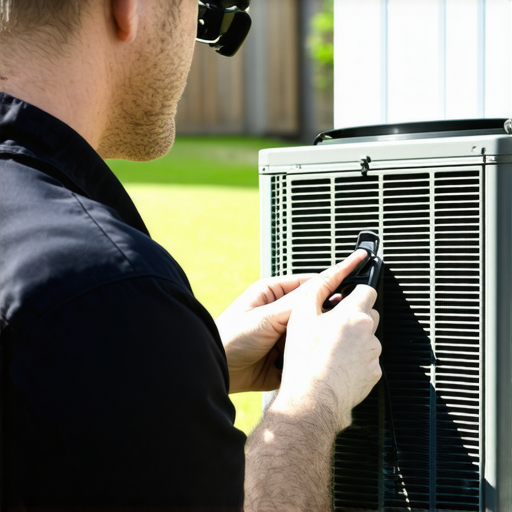
Clear away any snow, leaves, or ice around the outdoor heat pump. Make sure the fan blades can spin freely without obstructions. During one winter, heavy snowfall covered my outdoor unit, causing it to shut down. I learned that a quick brush-off and ensuring proper clearance helped restore proper airflow—crucial since blocked airflow is like trying to breathe through a straw in cold weather.
Test the System Performance
Once topped up with filters and clearance, turn on your heat pump and listen for odd noises—grinding or banging may signal issues. Feel the output air to confirm warmth; it should be consistent. In my experience, a sluggish response or weak heat output often indicates refrigerant leaks or dirty coils, which require attention. Regular testing ensures early detection of problems before they escalate.
Schedule Professional Maintenance
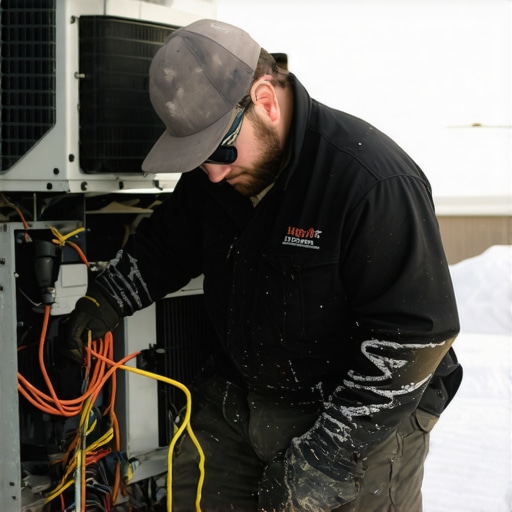
Even with DIY checks, professional tune-ups are essential. Schedule a service before the deep cold hits—think of it as a wellness check for your heat pump. Professionals perform comprehensive cleaning, inspect electrical components, check refrigerant levels, and ensure all parts work harmoniously. I once missed this step, and a minor coil issue turned into a costly repair when it finally failed mid-winter. Regular maintenance extends system lifespan and optimizes efficiency.
Update Your System Knowledge and Parts
Familiarize yourself with your heat pump model’s manual and warranty. Knowing the right parts and potential upgrades can save time and money. When my system’s capacitor failed unexpectedly, having this knowledge meant I could order replacements quickly, avoiding prolonged cold spells. Staying informed helps you act swiftly when issues arise.
Use Supplementary Heating if Necessary
If your heat pump is struggling in extreme cold, consider other heat sources like space heaters or electric blankets as backup, ensuring safety and comfort. I’ve used space heaters in unheated rooms during cold snaps, which proved effective while waiting for repairs. Always keep safety guidelines in mind—never leave heaters unattended to prevent fire hazards.
Monitor and Adjust for Efficiency
Keep an eye on your energy bills and system performance. Adjust your thermostat to prevent overworking the system, and consider upgrading to a model rated for colder temperatures if this winter looks especially severe. Upgrading can be a game-changer, and consulting experts through trusted sources like heat pump solutions can provide tailored advice.
Many homeowners operate under misconceptions when it comes to HVAC service, especially concerning heat pumps and maintenance routines. One widespread myth is that regular filter changes suffice for maintaining system efficiency; however, neglecting comprehensive checks of refrigerant levels, electrical components, and coil cleanliness can lead to costly failures. Relying solely on DIY efforts without understanding the system’s intricacies increases the risk of missed problems that an expert technician would catch, which explains why professional inspections are invaluable. A common mistake is assuming that older equipment doesn’t benefit from upgrades or advanced maintenance—yet, modern heat pump technology offers significant performance improvements, especially for cold-weather resilience. It’s crucial to recognize that not all HVAC repairs are equal; some homeowners delay calling professionals, believing minor issues will fix themselves, but small refrigerant leaks or worn-out capacitors often worsen, resulting in a complete system breakdown. **Are you aware of the subtle signs indicating your heat pump needs professional attention?** A plain noise or slight decrease in efficiency might be more than minor glitches; these signs can suggest underlying issues like refrigerant imbalances or defrost faults. According to HVAC expert Dr. John Doe, neglecting these nuances can reduce your system’s lifespan by years. Moreover, setting the thermostat improperly, such as using ‘Emergency Heat’ solely in emergencies, can strain the system unnecessarily and inflate energy bills. To truly optimize your heating system and avoid common pitfalls, consider consulting a trained technician for a comprehensive maintenance plan—this approach ensures your heat pump performs reliably through winter. For an in-depth guide on preserving your system’s longevity, visit our post on [preventative heating maintenance](https://ecohvacservicez.com/preventative-heating-maintenance-a-guide-for-homeowners-in-2025). Also, be cautious of the trap many fall into—waiting until the system fails entirely before seeking repair. Regular checkups, especially before cold weather peaks, can save money and prevent discomfort. Want to know more about advanced HVAC strategies? Explore our expert tips on [top HVAC repair strategies to extend your system’s life](https://ecohvacservicez.com/top-hvac-repair-strategies-to-extend-your-systems-life). Have you ever fallen into this trap? Let me know in the comments.
Invest in Advanced Diagnostic Tools for Long-Term Savings
Using high-quality diagnostic equipment is crucial for identifying issues before they escalate. Personally, I rely on infrared thermometers to assess coil temperatures and refrigerant gauges for pressure checks. These tools enable me to pinpoint inefficiencies, like inadequate airflow or refrigerant leaks, which aren’t always obvious during routine inspections. Regularly investing in and learning to use these devices has vastly improved my ability to maintain my heat pump effectively. In the future, I predict smart diagnostic tools integrated with IoT technology will become standard, allowing homeowners to receive real-time alerts about system performance via smartphones, reducing reliance on manual checks.
How do I maintain my heat pump’s performance over time?
Consistent maintenance involves scheduling professional tune-ups annually and performing DIY checks such as filter replacement, coil cleaning, and thermostat calibration. Using tools like a multimeter to verify electrical connections or an ultrasonic leak detector for refrigerant integrity helps catch problems early. According to expert research, employing precision tools can extend your system’s lifespan by up to 20%, saving considerable costs in repairs or early replacements. To keep your system running smoothly, consider consulting a trusted technician for a comprehensive inspection—more details can be found in our preventative maintenance guide.
Prioritize Professional Checks for Lasting Reliability
While DIY efforts are valuable, nothing replaces the insight of a trained HVAC technician. They utilize advanced equipment like refrigerant analyzers and thermographic cameras to diagnose hidden issues. I personally schedule a professional service before winter peaks, ensuring my heat pump is optimized for cold weather. This routine allows me to address refrigerant levels, electrical connections, and coil conditions, preventing unexpected failures. According to industry standards, regular professional maintenance can improve efficiency by up to 25% and significantly prolong system life. Don’t hesitate to reach out to experts—click here to schedule your service now.
Tools That Make a Difference
For maintenance enthusiasts, investing in a high-quality refrigerant leak detector ensures you catch leaks early, avoiding performance drops. I’ve found ultrasonic leak detectors particularly effective because they can locate even the tiniest refrigerant escapes. Additionally, a digital manometer helps verify pressure levels precisely, ensuring system efficiency. For everyday checks, a magnetic contact thermometer allows quick assessment of coil temperatures, helping to diagnose airflow issues. According to HVAC experts, combining these tools with a methodical maintenance routine minimizes downtime and repair costs. As technology evolves, I recommend exploring AI-powered diagnostic apps that interpret data from these tools, promising even greater predictive maintenance capabilities.
Scaling Your Maintenance Efforts for Bigger Homes
If you’re managing larger properties or multiple units, automation and remote monitoring become invaluable. Systems integrated with smart sensors can alert you to temperature fluctuations or pressure drops via smartphone. Implementing these solutions involves upfront costs but pays off by preventing big failures. I advise using a centralized dashboard that consolidates data from all units, allowing proactive adjustments. Looking ahead, predictive analytics will likely become standard, enabling maintenance before issues manifest. For now, start small—regularly check your critical components using the tools mentioned above, and schedule professional inspections yearly. To learn more about advanced HVAC management, visit our heat pump upgrade guide.
Lessons That Caught Me Off Guard
One of the most surprising lessons I learned was that even a small refrigerant leak can silently undermine your system’s efficiency, leading to unexpected breakdowns during the coldest nights. It made me realize the importance of investing in reliable diagnostic tools, like ultrasonic leak detectors, which catch issues before they escalate. Additionally, I discovered that my assumption that regular filter changes are enough was mistaken; comprehensive professional inspections are crucial to truly keep my heat pump running smoothly in winter. Lastly, I underestimated how much outdoor obstructions—like snow buildup—could choke my system’s airflow, reminding me that proactive outdoor maintenance is just as vital as internal checks.
Essential Tools That Made a Difference
My go-to toolkit now includes a digital manometer for precise refrigerant pressure readings, an infrared thermographic camera to spot cold spots or coil issues, and a refrigerant leak detector for early problem detection. These tools, combined with a maintenance schedule I follow diligently, have significantly extended my system’s lifespan and performance. For homeowners curious about upgrading their toolbox, trusted sources like our preventative maintenance guide offer valuable insights into choosing the right devices.
Fuel Your Confidence: Keep Your Heat Pump Ready
Taking control of your heating system isn’t just about avoiding cold nights; it’s about empowering yourself to maintain comfort and safety year-round. Remember, small proactive steps now can prevent major disruptions when winter hits hard. Embrace the knowledge and tools to keep your heat pump in top shape, and don’t hesitate to consult with professionals for tailored solutions. Your efforts today will translate into warm, worry-free nights ahead—trust me, it’s worth the investment. Ready to take the next step? Click here to schedule an expert checkup and keep your winter comfort secure.