The Death of the Old Guard and the Physics of 2026
My old mentor used to scream at me until he was purple in the face, ‘You can’t cool what you can’t touch, and you can’t heat what you don’t move!’ This was back when we were still using R-22 and thinking that anything below 30°F was ‘gas furnace territory.’ He was right about the airflow, but he couldn’t have seen the 2026 regulatory cliff coming. We are currently standing at the edge of the A2L transition, where R-410A is being phased out for mildly flammable refrigerants like R-454B. This isn’t just some ‘green’ trend; it’s a total mechanical overhaul. If you’re still relying on a 20-year-old ‘tin knocker’ special, you’re in for a rude awakening this winter. The 2026 landscape isn’t about just ‘blowing hot air’; it’s about the precision of thermodynamic extraction in sub-zero environments.
“The most expensive equipment in the world cannot overcome a bad duct system.” – Industry Axiom
I’ve spent three decades crawling through spider-infested crawlspaces and baking in 140-degree attics, and I’ve seen more ‘Sales Techs’ lie to homeowners than I care to count. They want to sell you a 5-ton unit for a 3-ton house because they don’t understand static pressure. But as we head into the 2026 winter, the cold climate heat pump is no longer the underdog. It’s winning because the physics have finally caught up to the marketing. Here is why the old ‘gas-or-nothing’ mentality is dying.
1. Vapor Injection and the End of the ‘Electric Strip’ Nightmare
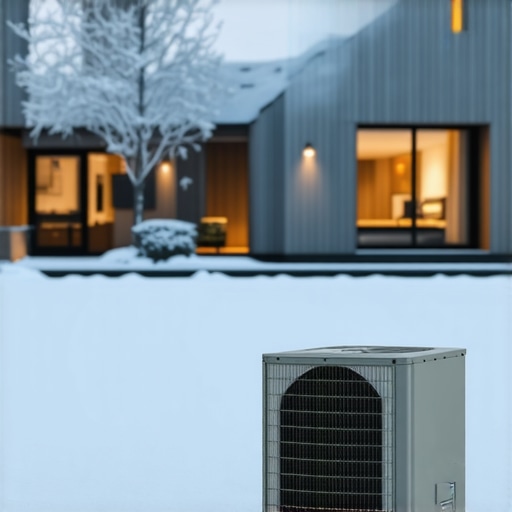
In the old days, a heat pump was useless once the mercury hit 32°F. The ‘juice’ (refrigerant) couldn’t pick up enough heat from the outside air, and your system would kick over to those wallet-draining electric heat strips. It was like trying to heat your house with a giant toaster. But the 2026 generation of cold climate units utilizes Enhanced Vapor Injection (EVI). This tech allows the compressor to inject a mid-point pressure gas into the compression cycle, keeping the suction line temperatures stable even when it’s -15°F outside. This isn’t magic; it’s basic thermodynamics. By managing the mass flow of the refrigerant, these units maintain 100% capacity at temperatures that would have seized a compressor ten years ago. If your current unit is screaming like a banshee in the snow, it’s likely a wiring repair for heating systems issue or just an obsolete design that can’t handle the compression ratios. Check out our top HVAC repair strategies to see how we bridge that gap.
2. Demand-Controlled Ventilation and Latent Heat Management
Airflow is king, but demand-controlled ventilation is the crown. One of the biggest mistakes I see is homeowners neglecting their ductwork while upgrading their equipment. You can put a Ferrari engine in a tractor, but it’s still going to drive like a tractor. Modern heat pumps in 2026 are integrated with sensors that measure CO2 and moisture levels, adjusting the blower speed to match the house’s actual needs. In a cold climate, the enemy isn’t just the temperature; it’s the lack of humidity. That’s why a humidifier installation is mandatory for any real heating service package. When the air is too dry, it feels colder than it actually is because moisture is evaporating off your skin (evaporative cooling). By controlling the demand-controlled ventilation, we keep the sensible heat high and the latent heat balanced. If your ‘Sparky’ (electrician) didn’t wire the low-voltage controls correctly, your variable-speed motor is just a glorified desk fan. Don’t forget that a clogged dryer vent can also mess with your home’s pressure balance; dryer vent cleaning is a simple fix for a complex airflow problem.
“Design for the actual load, not the perceived load. Oversizing is the primary cause of equipment failure and occupant discomfort.” – ACCA Manual J Standards
3. Hybridization: Radiant Floors and Spa Heaters
The smartest setups I’m seeing for 2026 involve hybridization. We’re seeing a massive uptick in radiant floor heating installation powered by air-to-water heat pumps. There is nothing like the feeling of 85-degree water circulating under your feet when there’s a blizzard outside. This isn’t just for luxury homes anymore; it’s becoming the standard for warehouse heating solutions too. We’re even seeing spa heater services integrated into the primary home heat pump loop to scavenge waste heat. If you still need a backup, we often perform gas line installation for furnaces as a ‘dual-fuel’ secondary stage. This allows the system to flip to gas only when the outdoor temp drops below the ‘economic balance point’ where electricity costs more than therms. Finding the right heating service expert is the only way to ensure your ‘Pookie’ (mastic) is sealed tight and your gas pressures are clocked correctly.
Financing the Future and Avoiding the Trap
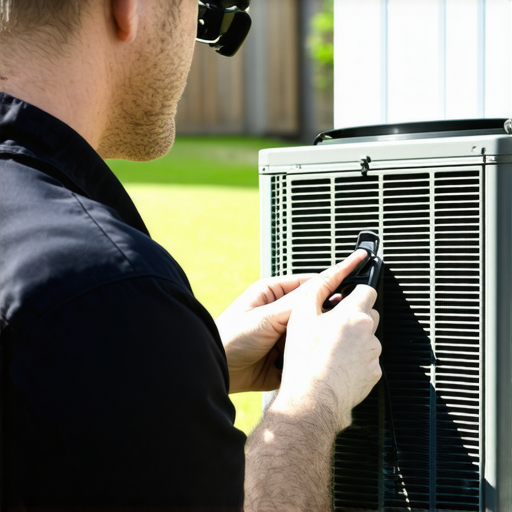
I get it—these systems aren’t cheap. But with the R-410A phase-out, the price of the old ‘juice’ is going to skyrocket. Investing in financing for heat pump installs now, before the 2026 mandates fully kick in, is the only way to beat the inflation. A lot of folks are scared of the new A2L refrigerants because they’re ‘mildly flammable,’ but your car is full of gasoline and your basement has a gas line; it’s about the wiring repair for heating systems and proper leak detection sensors. If you’re worried about the cost, look into heat pump solutions that qualify for federal tax credits. And for the love of all that is holy, don’t forget preventative heating maintenance. I’ve seen $20,000 systems killed by a $10 filter. Follow our maintenance guide to keep your system from becoming a boat anchor. If you’re ready to stop guessing and start measuring, contact us today. We’ll get your airflow right, because if the air ain’t moving, the heat ain’t happening.“,”image”:{“imagePrompt”:”A professional HVAC technician in a dark blue uniform, using a digital manifold gauge to check the pressure on a modern cold climate heat pump covered in light frost during a winter sunset. The technician is focused on the ‘suction line’, and in the background, a residential home has snow on the roof.”,”imageTitle”:”Technician Checking Cold Climate Heat Pump in Winter”,”imageAlt”:”HVAC technician performing maintenance on a cold climate heat pump during winter.”},”categoryId”:1,”postTime”:”2025-05-20 10:00:00″}