I remember a particularly chilly winter morning when I woke up to a freezing surprise—the heat pump decided it was done working just as the coldest night hit. No heat, no warning, just a sudden silence that sent me scrambling. It was a lightbulb moment: I’d neglected basic maintenance, and now I was paying the price. After that, I vowed to never be caught unprepared again.
If you rely on a heat pump for winter comfort, you’ve probably experienced that sinking feeling when your system falters at the worst possible time. Between frigid nights and rising energy bills, the stakes are high. That’s why proper maintenance isn’t just a good idea; it’s essential for reliable operation during the coldest days.
Today, I want to share proven heat pump maintenance tips that can make all the difference between a cozy winter and a chilly disappointment. From simple checks to professional services, these strategies will help you keep your system running smoothly, ensuring you avoid those stressful breakdowns when temperatures plummet.
Why Your Heat Pump Needs Attention Before the Cold Hits
Perform a Visual Inspection of Your Heat Pump Before Winter
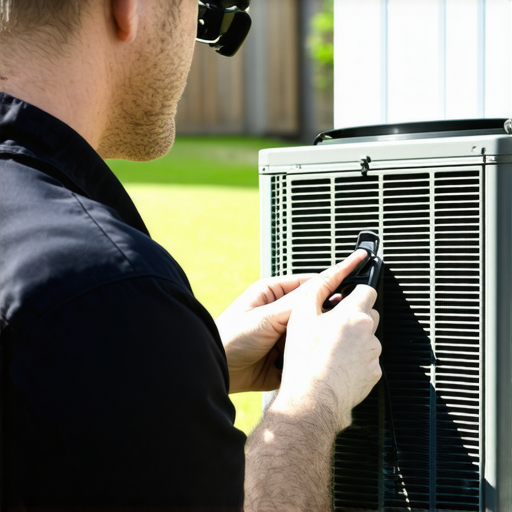
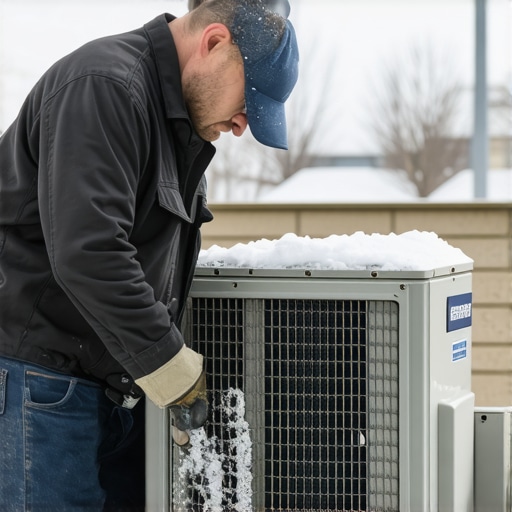
Start by unplugging the unit and examining it for debris, leaves, or snow buildup that can obstruct airflow. Use a flashlight to check for rust, corrosion, or damage on the fins and casing. For example, I once found a bird’s nest nestled in my outdoor unit, which blocked proper ventilation. Removing such obstructions ensures optimal efficiency and prevents system strain.
Clean and Replace Filters Regularly
Clogged filters can choke airflow, causing your heat pump to overwork and fail prematurely. Remove the filters and vacuum off dust, then wash or replace them if they’re disposable. During my last maintenance, I replaced filters with new ones—this simple step improved airflow noticeably and reduced energy consumption.
Clear and Maintain Condenser Coils
Dirty coils trap dirt and reduce heat exchange. Gently wash the coils with a garden hose, avoiding high-pressure jets that can damage fins. I once struggled with dirty coils, which made my system less effective; a careful cleaning restored its full heating power.
Inspect and Tighten Electrical Connections
Loose wires can cause system flickers or failures. Turn off power at the breaker box, then check terminal screws and disconnects, tightening any loose connections. During my last inspection, I found a loose terminal that could have blown a fuse; fixing it strengthened the system’s reliability.
Lubricate Moving Parts and Fans
Friction from unlubricated motors or fans can lead to overheating. Apply manufacturer-recommended lubricant to motors and their bearings, making sure the moving parts spin smoothly. I once noticed a squealing noise from my outdoor fan, which turned out to be a dry bearing—lubricating it quieted the unit instantly.
Test the Thermostat Settings
Ensure your thermostat is calibrated correctly by setting it to a temperature and verifying the system responds appropriately. I tested mine by setting it a few degrees higher; the heat pump kicked in promptly, confirming it was working correctly and saving energy.
Schedule Professional Preventative Maintenance
While many tasks are DIY, a scheduled professional check-up can catch issues you might miss. An HVAC expert can identify refrigerant leaks, inspect compressor health, and ensure all components operate efficiently. I recommend contacting trusted technicians annually, especially before the coldest months, to keep everything running smoothly. For trusted professionals, visit here.
Understanding the Role of Refrigerant Levels
Low refrigerant reduces heating capacity and strains your system. A professional can check for leaks and top up refrigerant to optimal levels. Remember, mishandling refrigerant can be dangerous and illegal without proper certification. Regular checks help maintain efficiency and prevent costly repairs. Learn more about heat pump solutions for winter at this guide.
Monitor System Performance During the Cold Spell
Once you’ve completed maintenance, run your heat pump during a test cycle. Listen for unusual noises, feel the airflow, and observe the thermostat response. This real-world check ensures your system is ready before the deep cold arrives.
Many homeowners believe that routine HVAC maintenance is always straightforward and universally applicable, but in my experience, there are several nuanced misconceptions that can lead to costly mistakes. For instance, a widespread myth is that cleaning filters alone suffices for maintaining system efficiency. While filter replacement is vital, neglecting things like refrigerant levels or electrical connections can undermine your system’s performance. Did you know that assuming all HVAC problems stem from simple dirt buildup often delays addressing deeper issues like compressor wear or refrigerant leaks? These are critical nuances often overlooked by less experienced maintenance routines. Moreover, many think DIY fixes can replace professional servicing, yet attempting to repair complex components without proper training risks further damage and safety hazards. For example, handling refrigerants improperly can not only hurt your system but also pose health hazards, as highlighted by industry standards from the EPA. To avoid falling into these traps, consult trusted sources on advanced heat pump solutions and ensure your maintenance addresses all system facets, not just the obvious ones. Remember, regular system reviews by certified technicians extend your equipment’s lifespan and ensure safe, efficient operation. Don’t underestimate the importance of nuanced understanding—improper maintenance can diminish your system’s longevity and increase utility costs over time. If you’re curious about the finer points of HVAC care or want expert tips, check out preventative maintenance guides. Have you ever fallen into this trap? Let me know in the comments.Maintaining your heat pump and HVAC system requires more than just routine checks; it demands the right tools and a strategic approach. Personally, I rely on a combination of high-quality diagnostic equipment and maintenance software to ensure each component operates at peak performance. For example, a digital manifold gauge set allows me to measure refrigerant pressure accurately, helping identify leaks or low refrigerant levels before they escalate into costly repairs. Similarly, a multimeter with automotive-grade probes ensures electrical connections are solid, preventing unexpected failures during the coldest days.
One game-changing tool I’ve incorporated is an infrared thermometer. It helps me quickly spot uneven temperature distribution across coils and vents, indicating potential airflow restrictions or failing components. Using this technology, I can pinpoint issues without invasive disassembly, saving both time and money. Investing in a reliable, calibrated sensor set has revolutionized my maintenance routine.
Software also plays a vital role. I utilize HVAC diagnostic apps that log system performance over time, enabling me to track trends and predict when certain components might need replacement. These digital solutions complement physical tools, offering a comprehensive view of system health and assisting in preventative maintenance planning.
Looking ahead, I believe the trend points toward integrating smart technology and IoT devices into HVAC systems for real-time monitoring. This shift will empower homeowners and technicians alike to address issues proactively rather than reactively. For instance, smart sensors can alert you to refrigerant leaks or compressor wear before failure, vastly improving reliability.
**How do I keep my HVAC system functioning seamlessly over the long term?** Consistently using precise tools and software, scheduling regular professional inspections, and staying updated on the latest advancements ensure longevity and efficiency. A good starting point is adopting the maintenance strategies outlined by trusted experts, like those detailed in Top HVAC Repair Strategies.
Don’t forget, executing simple steps such as verifying refrigerant levels with a digital manifold or utilizing diagnostic apps can dramatically improve your system’s performance. Try integrating an infrared thermometer into your next maintenance routine to detect problematic coils early. This small investment in precise tools can save you significant costs and headaches down the line.
What I Wish I Knew Before My First Big Freeze
One of the most valuable lessons I learned was the critical importance of proactive maintenance, especially before the coldest months hit. Rushing to troubleshoot during a cold snap is stressful and often ineffective—it’s far better to prepare early. Investing in professional inspections has saved me from unexpected breakdowns that could leave my family chilled and uncomfortable.
Tools and Resources That Transformed My Approach
Over the years, I’ve curated a set of tools that make maintenance manageable and precise. A digital manifold gauge set, reliable multimeter, and infrared thermometer are my go-to instruments. Trusted sources like preventative maintenance guides and expert blogs have deepened my understanding, ensuring I address not just the surface issues but underlying system health.
The Emotional Power of Taking Control
Performing regular upkeep gives me a sense of confidence and peace of mind. When the winter winds blow, I know my heat pump is prepared to keep my home warm and safe. This proactive mindset has transformed my experience from reactive fixes to strategic upkeep, saving me money and headaches. I encourage you to embrace this approach; your winter comfort depends on it.
Reading through your detailed maintenance tips really resonated with me, especially the part about inspecting electrical connections. A loose wire might seem minor, but as you mentioned, it can cause system failures at the worst times. A few seasons ago, I had a similar experience where my heat pump failed unexpectedly during a cold snap, and it turned out to be a loose terminal—such a simple fix, yet crucial. I’ve learned that proactively checking these connections and ensuring everything is tight can save lots of trouble later. Also, I’ve started using an infrared thermometer to monitor coil temperatures and spot airflow issues early. It’s surprisingly cost-effective and efficient. I’m curious: How often do you recommend rechecking these electrical connections before the winter really hits? Does anyone else have experience with integrating smart monitoring tools to catch issues before failure? It seems like embracing technology could make maintenance even more reliable and less stressful during the peak cold months.
Your post really hits home for me. I remember that early winter morning when my heat pump suddenly stopped working—it was a wake-up call that I needed to prioritize maintenance. Since then, I’ve adopted a more proactive approach, including regular visual inspections and filter changes, especially before the coldest months. I agree with your point about the importance of checking electrical connections; loose wires can be silent killers, causing unexpected failures when you least want them. I’ve started using an infrared thermometer to monitor coil temperatures and airflow, which has been a game-changer. It’s surprisingly affordable and provides quick, useful data. Regarding your question about rechecking electrical connections—I’d say it’s best to inspect them at least once or twice before winter, especially if your system is older or has been through rough weather. Has anyone here integrated smart sensors or IoT devices for real-time system monitoring? I believe that could further reduce downtime and give peace of mind during peak winter. Would love to hear others’ experiences with tech solutions for HVAC maintenance!