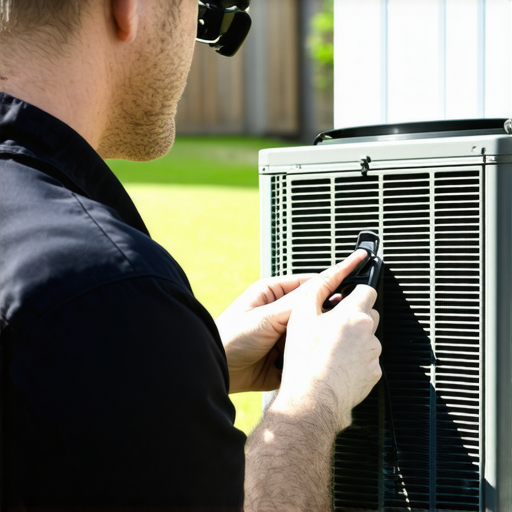
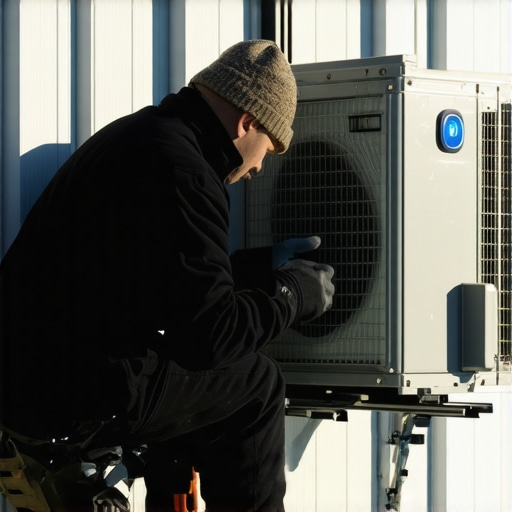
I remember one particularly chilly winter evening when my heat pump decided to give out just as the coldest night of the year rolled in. The heater sputtered, then went silent. I was left shivering, realizing how critical it is to have a reliable heating system that can withstand the cold. That lightbulb moment made me realize—if you live in an area with freezing temperatures, you can’t just rely on a system that works well in summer. You need strategies tailored to cold weather performance.
Why Winter Heat Pump Performance Can Make or Break Your Comfort
Heat pumps are wonderful when they operate efficiently, but cold weather can expose their weaknesses. A poorly maintained or improperly installed heat pump can struggle to keep up, leaving you uncomfortable and increasing energy bills. According to the Department of Energy, modern heat pumps can operate effectively even in temperatures as low as 0°F, but only if they’re equipped and maintained correctly. Early in my career, I made the mistake of ignoring preventative maintenance, which led to breakdowns during the winter crunch. That experience taught me the importance of being proactive rather than reactive.
Have you ever faced a freezing night with your heat pump on the fritz?
If so, you’re not alone. Many homeowners find themselves scrambling when the temperature drops and their heating system isn’t performing as expected. That’s why I want to share some essential strategies to help your heat pump stay reliable through the coldest months—techniques I’ve learned from personal experience and industry best practices. And trust me, a little preparation can save you a lot of discomfort and expense later on.
Ready to dive into practical tips that can extend your system’s life and ensure your home stays warm? Let’s start with the basics and work our way up to expert solutions. Whether you’re just considering a new installation or looking to optimize your current setup, these tips will make a real difference.
Understanding the Critical Role of Proper Installation and Maintenance
One of the biggest mistakes I made early on was neglecting proper installation. A system installed without considering the climate or proper sizing quickly became inefficient. Now, I always recommend consulting with experts who understand the nuances of cold weather performance. You can learn more about this at this comprehensive heat pump installation guide.
Next, regular maintenance is your best friend. Simple tasks like cleaning filters, checking refrigerant levels, and inspecting defrost components can prevent costly repairs and system failures. For detailed maintenance routines, check out this preventative maintenance guide.
So, are you confident your system can handle the winter chill? If not, don’t worry—help is just a click away. Visit our contact page to get expert advice tailored to your home’s needs. Now, let’s explore the specific strategies that will keep your heat pump performing at its best when the temperature drops.
Secure Proper Installation to Maximize Cold Weather Performance
Starting with a solid foundation is crucial. I once watched a technician struggle because the heat pump was installed without considering the winter climate. To prevent this, always choose an HVAC professional familiar with cold-weather specifications. Ensure the unit is correctly sized—too small, and it won’t heat effectively; too large, and it will cycle excessively, wasting energy. Confirm the outdoor unit is level and free from obstructions, which helps prevent airflow issues that can worsen in freezing temperatures. For comprehensive guidance on installation best practices, visit this installation guide.
Perform Regular Maintenance to Keep Systems Running Smoothly
Think of your heat pump like a car—neglect it, and it’ll break down when you need it most. Simple tasks such as cleaning or replacing filters monthly ensure optimal airflow. I once neglected this step, which led to a frozen coil during the cold snap, forcing a costly repair. Check refrigerant levels annually; low refrigerant can cause the system to struggle in cold weather. Inspect and clear the defrost cycle components to prevent ice buildup that hampers efficiency. For detailed maintenance routines, see this maintenance guide.
Upgrade Key Components for Winter Resilience
Upgrading your system can make a big difference. For instance, installing a dual-fuel system that switches to a gas furnace when temperatures plummet below freezing can enhance reliability. I decided to add a backup heat source last winter, and it paid off when the temperature dipped to -10°F. Additionally, consider upgrading your thermostat to a smart model that can optimize operation based on weather forecasts, reducing strain on the system. For tailored recommendations, visit this solutions page.
Implement Defrost Cycle Optimization
Defrost cycles prevent ice accumulation on the outdoor coil, but if mismanaged, they can reduce heating efficiency. I once manually adjusted the defrost timer after noticing excessive ice, which improved performance during a cold spell. Ensure your system’s defrost cycle is functioning correctly—some advanced units automatically optimize this process. Regularly inspect the defrost sensors and controls, especially before winter hits. For expert tips, check this expert guide.
Monitor and Adjust System Settings for Cold Weather
Fine-tuning your heat pump’s settings can prevent energy waste and system strain. I recommend setting your thermostat slightly lower at night and using zoning controls to focus heat where it’s needed most. Also, enable any cold-weather modes your system offers—these adjust operation for lower outdoor temperatures. I learned this the hard way when I kept the system in normal mode during a cold snap, causing it to run constantly without heating effectively. Adjust settings via your smart thermostat or consult an HVAC technician for personalized calibration. For more on optimizing your system, visit this optimization guide.
Schedule Professional Inspections Before Winter
Finally, don’t underestimate the value of a professional inspection. A trained technician can identify hidden issues—like worn components or refrigerant leaks—that compromise your heat pump’s winter performance. I scheduled a tune-up last fall, and it caught a failing compressor, saving me from a breakdown during the coldest night. Regular inspections, ideally annually before winter, ensure your system is ready to handle the freeze. For trusted experts, check this expert selection guide.
Many homeowners operate under a common misconception that as soon as temperatures dip below freezing, their heat pump becomes nearly useless. But in my experience, this is a dangerous oversimplification. The real nuance lies in how you set up and maintain your system, and understanding these details can make all the difference during harsh winters.
One widespread myth is that heat pumps simply stop working in cold weather. While it’s true that traditional models struggle at extremely low temperatures, modern cold-climate heat pumps are engineered to operate efficiently well below freezing. According to industry research, newer units can perform reliably down to -15°F or colder with proper installation and maintenance. Still, many people overlook the importance of correctly sizing and installing their units for their specific climate, which can lead to poor performance even if the equipment is capable.
Here’s the critical point: most failures are not due to the heat pump’s capabilities but because of poor installation or neglecting regular maintenance. For example, inadequate insulation around outdoor units or incorrect refrigerant charge can significantly impair cold-weather performance. It’s a trap I’ve seen many fall into—assuming that the system will handle winter on its own, only to be caught off guard during a cold snap.
Why do some systems underperform even in mild cold?
This is a common question among advanced homeowners. The answer often comes down to system design and operational settings. For instance, using a single-stage thermostat without cold-weather modes can cause the system to run inefficiently or cycle excessively, wasting energy and reducing comfort. Upgrading to a smart thermostat with cold-weather operation features can improve performance, as can regular professional inspections to ensure all components are functioning optimally. For more insights on ensuring your system is winter-ready, check this expert guide.
Another advanced mistake is ignoring defrost cycle management. Proper defrost cycle operation is crucial in cold climates. If the defrost sensors or controls are malfunctioning or misconfigured, ice buildup can occur, dramatically reducing efficiency. Manual intervention or improper settings can cause the system to run longer than necessary, increasing wear and energy costs. Modern units often have automatic defrost systems, but they still need to be checked regularly, especially before winter hits. Regular maintenance and system checks will help you avoid these pitfalls.
In conclusion, the key to reliable cold-weather heat pump performance isn’t just about equipment choice but about proper installation, regular maintenance, and smart operation. Don’t fall into the trap of complacency—your system needs attention to perform optimally in winter. Have you ever fallen into this trap? Let me know in the comments. For tailored advice, consider scheduling a professional inspection by visiting our contact page.
How do I maintain my heat pump over time?
Maintaining your heat pump effectively requires a combination of the right tools, routine checks, and expert knowledge. First, I always recommend investing in a high-quality digital multimeter, like the Fluke 117, which allows me to accurately diagnose electrical components and ensure the system is operating within safe parameters. Regularly checking the refrigerant pressure with a reliable gauge ensures your system is charged correctly, preventing performance drops during cold weather. For cleaning, a good set of insulated screwdrivers and brushes makes it easy to access and scrub dirty coils, which is vital for maintaining airflow and heat transfer efficiency.
In my experience, a refrigerant leak detector like the Inficon D-TEK Plus is invaluable for quickly pinpointing leaks that can cause system inefficiencies or failures in winter. Additionally, a smart thermostat such as Nest or Ecobee not only helps in scheduling but also provides diagnostic data and alerts if the system detects irregularities. These tools enable proactive maintenance, saving you money and discomfort.
Looking ahead, I believe the trend will shift even more towards integrated smart systems that continuously monitor performance, predict failures, and suggest maintenance automatically. This will reduce the need for guesswork and extend the lifespan of heat pumps significantly.
Why is regular professional inspection critical for winter readiness?
While tools help with routine checks, nothing replaces the insight of a seasoned technician. Scheduling an annual inspection with a trusted professional ensures that hidden issues like worn compressor parts or refrigerant leaks are caught early. During my last visit, a technician used a thermal imaging camera to identify an insulation deficiency around the outdoor unit, which was causing heat loss and inefficiency. This kind of detailed inspection is crucial before winter to prevent breakdowns during the coldest nights.
Don’t forget, professional inspections also include verifying the defrost cycle operation and testing safety controls, which are often overlooked by homeowners. To find a qualified technician, I recommend reviewing trusted guides like this expert tips guide.
Try implementing a routine check using a refrigerant gauge and scheduling a professional inspection this season. These small steps can significantly improve your system’s reliability and efficiency in winter, ensuring your home stays warm no matter how low the temperatures drop.
Lessons from My Cold-Weather Heat Pump Journey
- Never underestimate the importance of proper installation—skimping on this step can cost you during winter nights. I once had a unit installed without considering the cold climate, leading to repeated failures that could have been avoided.
- Regular maintenance isn’t just a chore; it’s a lifeline. Changing filters monthly and inspecting coils before winter saved me from freezing coils and costly repairs.
- Upgrading components like thermostats or adding a dual-fuel system can make your heat pump more resilient. I learned that smart controls and backup heat sources can turn a struggling system into winter warriors.
- Understanding and optimizing the defrost cycle can prevent ice buildup—an issue I faced firsthand when ice reduced my system’s efficiency, prompting me to manually adjust settings for better winter performance.
- Professional inspections before winter are worth every penny. A thermal scan revealed insulation gaps around my outdoor unit, which I promptly fixed to improve heat retention and efficiency.
Tools and Resources That Changed My Approach
- Heat pump installation guide: A comprehensive resource that helped me understand the nuances of winter-ready setups—available at this link.
- Preventative maintenance guide: Routine tasks I performed regularly, ensuring my system stayed in top shape—see this resource.
- Smart thermostats: Devices that help optimize operation and alert me to issues, like Nest or Ecobee, which I trust for their reliability and insights.
- Professional HVAC services: A trusted technician can identify hidden problems early; I schedule annual inspections through experts I found at this page.
Your Cold-Weather Heat Pump Action Plan
Don’t wait for the first cold snap to realize your heat pump isn’t ready. With proper installation, regular maintenance, component upgrades, and professional inspections, you can ensure your system stays reliable all winter long. Remember, these investments not only improve comfort but also extend your system’s lifespan and save you money in the long run. Take action now to enjoy a warm, worry-free winter—because your home deserves the best care. What step will you prioritize first to prepare your heat pump for the cold? Share your plans below!