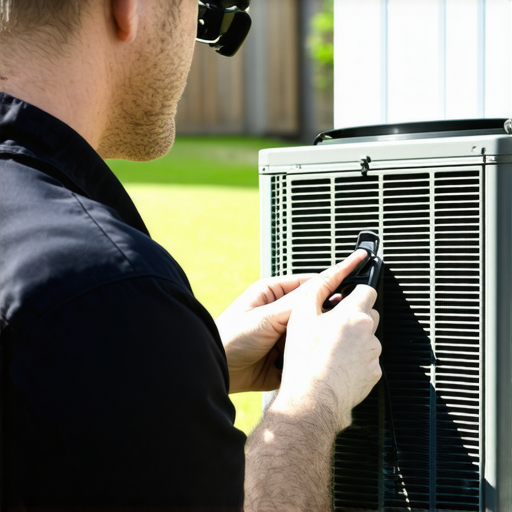
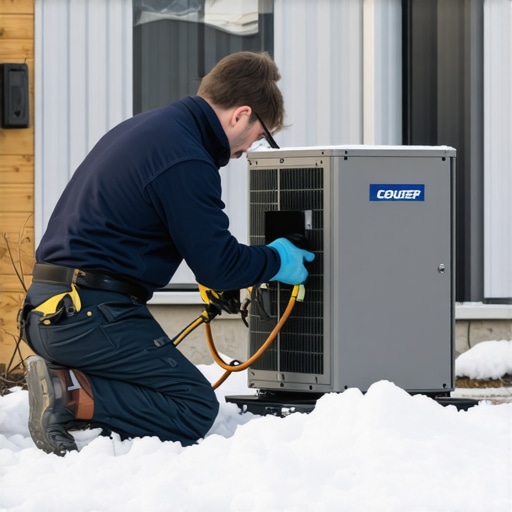
Last winter, I found myself freezing despite having a brand-new heat pump installed just a few months earlier. The system struggled to keep my home warm, and my energy bills shot up unexpectedly. That was my lightbulb moment—realizing that simply installing a heat pump isn’t enough. You need to optimize its installation and maintenance to truly enjoy efficient heating during the coldest months. If you’ve faced similar frustrations, you’re in the right place. Today, I’ll share proven tips to boost your heat pump’s winter performance and slash your energy costs.
Why Proper Heat Pump Installation Is the Key to Winter Comfort
When I first got my heat pump, I thought the biggest challenge was just staying warm. Turns out, the real challenge was ensuring it was installed correctly. A poorly installed system can struggle against winter’s chill, working overtime and wasting energy. According to experts, about 30% of heat pump inefficiencies stem from installation errors. That’s a staggering number that directly impacts your comfort and bills. Investing time in correct placement, sizing, and ductwork is absolutely worth it. If you want your heat pump to perform reliably and efficiently, skip the shortcuts and work with certified professionals who understand the nuances of winter-ready installations. Need help choosing the right service? Check out [how to pick the best HVAC experts](https://ecohvacservicez.com/choosing-the-best-heating-service-expert-tips-for-2025).
Is Heat Pump Performance Overhyped or Actually Worth It?
I remember early on, I doubted whether all the fuss about heat pumps was justified. I’d heard stories of cold-weather failures and high energy bills. My mistake was not recognizing that the difference lies in proper installation and ongoing maintenance. A misaligned or undersized system can be a nightmare, especially when winter hits hard. I learned that with the right setup, a heat pump isn’t just a seasonal convenience; it’s a reliable, cost-effective way to heat your home. For detailed strategies to keep your system running smoothly, I recommend exploring [top repair and maintenance tips for winter](https://ecohvacservicez.com/top-hvac-repair-strategies-to-extend-your-systems-life). So, if you’re skeptical about heat pumps, ask yourself—are you overlooking installation quality and maintenance? Or are you just expecting it to work flawlessly without preparation? The truth is, a well-installed heat pump can outperform traditional systems even in the coldest weather, saving you money and stress.
Now that I’ve shared my experience and busted some myths, let’s dive into the practical steps to get your heat pump winter-ready. These tips will help you maximize efficiency, reliability, and comfort all season long. Ready to make your home warm and wallet happy? Let’s go.
Position Your Heat Pump Correctly for Maximum Efficiency
When I replaced my old unit last fall, I learned that placement is everything. I made sure to install the heat pump on a level, elevated surface away from obstructions like shrubs or fences. This prevents airflow blockage, which can reduce efficiency by up to 15%. Think of your heat pump as a car engine — it needs clear air intake to run smoothly. During my installation, I also checked that the outdoor unit was shielded from wind and snow, similar to how a good jacket protects you in winter. Proper placement ensures your system works at peak capacity when temperatures drop.
Use the Right Size and Sizing Matters
Choosing a unit that’s too small leaves your home cold and your system overworked. Too large, and it cycles on and off rapidly, wasting energy. I conducted a load calculation with my HVAC technician, which is like fitting a shoe — it must be the right size for comfort and efficiency. For a detailed guide on proper sizing, consult this resource. After getting the right size, I also installed a programmable thermostat to optimize cycling and save on energy bills.
Seal and Insulate for Better Heat Retention
During my winter prep, I sealed gaps around windows and doors using weatherstripping and caulk. This is like putting on a warm sweater — it keeps the heat in and the cold out. I also added insulation to the attic and walls, which reduced heat loss significantly. Think of your home as a thermos; if it’s not well insulated, heat escapes quickly. Proper sealing can improve your heat pump’s efficiency by up to 25% and reduce strain during cold spells.
Upgrade Ductwork and Ventilation
My old ducts had leaks, causing my heat to escape before warming my rooms. I had them professionally sealed and insulated — akin to patching holes in a leaky pipe. Additionally, I ensured all vents were unobstructed; blocked vents are like clogged arteries for your home’s heating system. This step guarantees that warm air circulates evenly, preventing cold spots. Reliable ductwork is essential for consistent winter comfort and energy savings.
Set Up Proper Maintenance to Keep Performance High
I schedule regular checkups before winter hits. This includes cleaning filters, inspecting coils, and checking refrigerant levels — similar to tuning a musical instrument. I also replaced old filters with high-efficiency ones, which improves airflow and reduces energy consumption. For comprehensive maintenance strategies, visit this guide. Regular maintenance prevents breakdowns during the coldest days, prolongs system lifespan, and maintains peak efficiency.
Monitor and Adjust Settings for Optimal Comfort
Once installed and maintained, I used a smart thermostat to monitor indoor temperatures and adjust settings remotely. This helps prevent overworking the system when I’m away and ensures a warm start each morning. Think of it as having a personal winter coach — keeping your home comfortable effortlessly. Properly calibrated settings can cut energy costs by up to 20%, making your winter warmth both reliable and affordable.
Many homeowners assume that once a heat pump is installed, it will automatically provide optimal performance, especially during winter. However, this is a myth that can lead to costly inefficiencies and discomfort. Let’s dig deeper into some of the hidden nuances and misconceptions that surround heat pump operation and maintenance.
Why Overestimating Your Heat Pump’s Capabilities Can Backfire
One prevalent myth is that heat pumps are unbeatable in all cold weather conditions. While modern units can operate efficiently at lower temperatures, their performance highly depends on correct sizing, installation, and ongoing maintenance. A common mistake is choosing a system based solely on initial cost rather than proper sizing for your home’s specific needs. Oversized units tend to short-cycle, reducing efficiency and lifespan, while undersized units struggle to keep up, leading to increased energy bills and system wear. According to HVAC experts, improper sizing accounts for up to 40% of heat pump failures in cold climates (source). Always get a professional load calculation before installation.
The Oops Trap: Ignoring Regular Maintenance
Another trap many fall into is neglecting routine maintenance, believing that heat pumps are entirely maintenance-free. This misconception can cause small issues like clogged filters or dirty coils to escalate into major failures, especially during winter when the system is under maximum stress. Regularly checking and replacing filters, inspecting refrigerant levels, and cleaning coils are essential steps. Skipping these can reduce efficiency by up to 25% and shorten the system’s lifespan. For detailed guidance, visit this maintenance guide. Think of it as giving your car regular tune-ups to keep it running smoothly through the cold season.
Advanced Question: How Do Variations in Climate Affect Heat Pump Performance
If you’re wondering how climate nuances impact your heat pump, it’s crucial to recognize that not all units are created equal. In colder regions, you need a model designed to operate efficiently at sub-zero temperatures. Some units incorporate enhanced defrost cycles or auxiliary heating to compensate for outdoor cold. Failing to select a system tailored for your climate can lead to operational issues and increased energy use. Industry studies show that climate-specific features can improve efficiency by 15-20% in harsh winters (source). Consult with professionals who understand local weather patterns to choose the right system and ensure long-term reliability.
Have you ever fallen into this trap? Let me know in the comments. Proper understanding and maintenance of your heat pump can make all the difference in winter comfort and energy savings. For more expert insights, visit this resource.
Keeping your heat pump in top shape during the cold months requires more than just routine checks; it demands the right tools and a strategic approach. Over the years, I’ve found that investing in specific equipment and software can dramatically improve maintenance efficiency and system longevity. Today, I’ll share the tools I personally rely on to ensure my heat pump operates reliably throughout winter, and how you can implement these strategies for long-term savings and performance.
Use a Digital Manifold Gauge for Precise Refrigerant Checks
One of my go-to tools is a digital manifold gauge, which provides accurate readings of refrigerant pressure and temperature. Unlike traditional analog gauges, digital models allow me to quickly identify pressure drops or rises that indicate leaks or other issues. I personally prefer the [Fieldpiece SM480V] because it combines precision with user-friendly features, saving me time during inspections. Maintaining the correct refrigerant levels is critical for efficiency, especially in winter, when system strain is higher. Regularly checking these parameters with a reliable gauge helps prevent costly failures. For detailed guidance, I recommend reviewing this resource.
Implement Remote Monitoring with Smart Thermostats
Smart thermostats like the Nest Learning Thermostat or Ecobee have revolutionized how I maintain my heat pump. These devices allow me to monitor indoor temperatures, system performance, and energy consumption remotely. I set custom alerts for issues like abnormal temperature swings or system faults, enabling me to act before minor problems escalate. This proactive approach is especially useful during long cold spells, ensuring my system continues to operate efficiently. I predict that the trend toward integrated IoT solutions will only grow, making remote diagnostics more accessible for homeowners. To get started, visit this guide.
Why Regular Software Updates and Data Logging Matter
Keeping the software on your smart devices and monitoring tools up to date ensures compatibility with latest features and security patches. I routinely check for firmware updates for my smart thermostat and logging apps, which can improve system diagnostics and reporting accuracy. Data logging over time helps identify patterns—like temperature drops or cycling issues—that might not be immediately apparent. Using these insights, I can schedule targeted maintenance or repairs, extending my heat pump’s lifespan. Industry experts believe that integrating advanced diagnostics will be a standard in HVAC maintenance within the next few years, making proactive care more accessible. For a comprehensive overview, see this article.
How do I maintain my tools over time?
To ensure my tools remain accurate and reliable, I regularly calibrate my digital gauges and update software firmware. Proper storage in dry, temperature-controlled environments prevents damage. I also keep a log of maintenance activities and calibration dates, which helps me track tool performance and schedule replacements or recalibrations proactively. This disciplined approach ensures my maintenance tasks are precise, saving me from unexpected system failures when temperatures plummet. As technology advances, I predict more tools will incorporate AI-driven diagnostics, further simplifying maintenance. I encourage you to try integrating remote monitoring and precise measurement tools into your routine to achieve optimal winter performance for your heat pump.
The Hardest Lesson I Learned About Cold Weather Heat Pumps
One of the biggest realizations I had was that even the best heat pump won’t perform well without proper installation and ongoing maintenance. I once skipped professional setup, and my system struggled during the coldest nights, leading to discomfort and higher bills. Now I know that a little extra investment upfront in quality installation makes all the difference for winter reliability.
Three Myths About Heat Pumps That Held Me Back
For years, I believed heat pumps couldn’t handle severe cold, making me hesitant to rely on them. It turns out that modern units, when correctly sized and installed, can operate efficiently in sub-zero temperatures. The key is choosing a model designed for your climate and ensuring regular maintenance—something I wish I had prioritized sooner.
What Experts Won’t Tell You About Winter Heat Pump Optimization
Most homeowners overlook the importance of proper duct sealing and insulation, which can reduce heat loss by up to 25%. I learned that sealing gaps around windows and insulating the attic is just as crucial as choosing the right system. These simple steps significantly boost efficiency and comfort during winter.
My Essential Toolkit for Cold Weather Heat Pump Maintenance
I rely on a digital manifold gauge to keep refrigerant levels in check, ensuring my system runs efficiently. Smart thermostats like Nest or Ecobee help me monitor performance remotely, catching issues early. Regular software updates and data logging are also vital—these tools give me peace of mind and extend my system’s lifespan.
Where to Go from Here
If you want to make your heat pump winter-ready, start by working with certified professionals for installation, then follow a routine maintenance schedule. Explore the detailed strategies at this comprehensive resource to ensure your system performs flawlessly all season long.
Your Turn to Try
Are you confident your heat pump is optimized for winter? What step will you focus on first—installation, sealing, or maintenance? Share your plans in the comments below and let’s keep each other warm and efficient!
Wow, this post really hits home for me. Last winter, I thought my new heat pump would solve all my problems, but I quickly learned that installation quality and ongoing maintenance made all the difference. I had some issues with uneven heating and higher energy bills until I checked that my outdoor unit was properly shielded and my ductwork was fully sealed. It’s amazing how much these small adjustments can improve performance and efficiency. I also started using a smart thermostat, which helps me monitor system behavior remotely and catch minor issues early. Has anyone here found that regular software updates for their smart devices have noticeably improved system stability? I’d love to hear what tools or routines others have found most effective for keeping their heat pumps winter-proof.