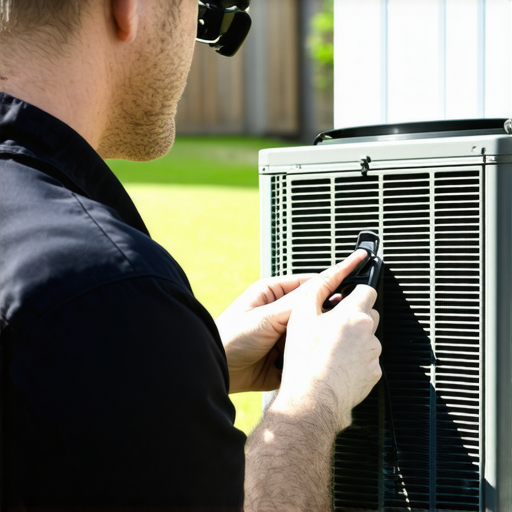
Last winter, I found myself shivering in my living room, despite my trusty heat pump running full blast. It was a cold snap, and I thought my system was prepared. Turns out, I had neglected some crucial maintenance steps, and my heat pump was operating well below its potential. That realization hit me hard—because I knew I wasn’t alone. Many homeowners face the same frustration: cold mornings, rising energy bills, and the constant worry that their heating system will fail when they need it most.
Understanding how to keep your heat pump running efficiently during the coldest months can save you money, extend your system’s lifespan, and ensure you stay warm all winter long. So, today, I promise to share the top heat pump maintenance strategies for winter in 2024 that can transform your comfort and peace of mind. Whether you’re a seasoned homeowner or new to heat pump systems, these tips will help you avoid costly repairs and chilly surprises.
Why Winter Maintenance Matters More Than Ever
Many people assume that once their heat pump is working in the fall, their job is done. But winter puts unique stress on heating systems. Cold temperatures, ice buildup, and increased demand can expose weaknesses you might not notice until it’s too late. For example, I once ignored a small refrigerant leak, thinking it was minor. When the deep freeze hit, my system struggled, and I had to call emergency repairs. A mistake I won’t repeat.
Research shows that proper winter prep can improve heat pump efficiency by up to 25% (source: EcoHVAC). That’s a game-changer, especially with energy prices rising. Preventative maintenance not only keeps your system reliable but also helps you avoid the headache of breakdowns when you need warmth the most.
Is Heat Pump Maintenance Really Worth the Hype?
Absolutely. I used to think regular maintenance was just an unnecessary expense. That was until I made the mistake of skipping my annual service. My heat pump’s efficiency plummeted, and my bills skyrocketed. Now, I know better. Routine checkups, filter replacements, and system cleanings are investments in comfort and savings. For expert insights, I recommend checking out trusted HVAC tips to ensure your system is ready for winter.
In the sections ahead, I’ll guide you through the essential maintenance steps to keep your heat pump at peak performance during the cold months. Ready to ensure your home stays warm and energy-efficient all winter long? Let’s dive in!
Inspect and Replace Air Filters Regularly
In my experience, changing the air filter is like giving your heat pump a fresh breath—vital for efficiency. During winter, I check my filter every month, swapping it out if it looks clogged. A dirty filter forces the system to work harder, wasting energy and risking damage. To simplify, set a reminder on your phone or calendar to replace filters regularly, especially during cold months. For detailed guidance, visit preventative heating maintenance to keep your system running smoothly.
Clean the Outdoor Unit Thoroughly
Think of your outdoor unit as the lungs of your heat pump. I once neglected this step, and snow and debris built up around it. When winter hit, airflow was restricted, and the system struggled. I cleared away snow, leaves, and dirt, ensuring unobstructed airflow. Use a garden hose to gently wash away dirt and fallen leaves—never pressure wash. Keep the area around the unit clear for at least two feet. For more tips on system longevity, see reliable heating maintenance.
Check and Clear the Condensate Drain
Clogged condensate drains can cause water backup, leading to system shutdowns. I once ignored a slow drain, and it resulted in ice forming on my system. I regularly inspect the drain line for blockages and flush it with a mixture of vinegar and water every few months. Use a wet/dry vacuum to clear any debris at the drain’s end. This simple step prevents costly repairs and keeps your system running efficiently. For comprehensive drain maintenance, consult heat pump maintenance tips.
Schedule Professional Preventative Maintenance
While DIY checks are crucial, professional tune-ups are essential. I booked an annual service last fall, which included refrigerant level checks, coil cleaning, and system diagnostics. This investment paid off by preventing breakdowns during winter. A technician can identify issues like refrigerant leaks or worn components before they become major problems. I recommend scheduling this service before the cold hits; it’s like a yearly health check-up for your heat pump. For trusted professionals, visit choosing the best heating service.
Ensure Proper Thermostat Settings
Set your thermostat to a consistent temperature—around 68°F (20°C)—to prevent the system from cycling excessively. I once turned my thermostat too low at night, causing my system to overwork in the morning. Using a programmable thermostat helps maintain steady warmth and reduces energy waste. Check your thermostat’s batteries and calibrate it if necessary. For more on optimizing your system, see reliable comfort tips.
Monitor and Address Ice Buildup
Ice on the outdoor unit’s coils indicates a problem. I noticed frost forming during a cold snap and initially ignored it. Upon inspection, I realized that poor airflow was causing the ice. I gently defrosted the coils with warm water and checked for airflow obstructions. If ice persists, it may signal a refrigerant issue or defrost cycle malfunction—call a professional. Regularly monitor the unit, especially during severe cold, to catch issues early. For expert insights, explore cold weather performance.
Let’s dig deeper into some widespread misconceptions and overlooked details about heat pump maintenance, especially during winter. Many homeowners believe that once their system is running, no further effort is needed. However, this assumption can lead to costly mistakes. For example, a common myth is that outdoor units don’t require regular cleaning in winter. In reality, snow, ice, and debris can accumulate, obstruct airflow, and impair efficiency — a trap I fell into early on. Regularly clearing the area and inspecting the coils can prevent this, as discussed in this comprehensive guide.
Another misconception is that refrigerant levels are static. Many homeowners think refrigerant never needs checking unless there’s a problem. In fact, refrigerant leaks are more common than you might realize and can significantly reduce performance. During winter, a low refrigerant charge makes it harder for your heat pump to extract heat, leading to increased energy bills and system strain. Regular professional inspections can catch leaks early, as highlighted in preventative maintenance tips.
What advanced issues should a homeowner be aware of beyond basic maintenance?
For seasoned homeowners, understanding the subtleties of defrost cycle malfunctions or compressor wear can be a game-changer. These issues are often masked by normal operation but can cause extensive damage if ignored. For instance, a faulty defrost cycle can lead to ice buildup, reducing efficiency and risking compressor failure. According to industry experts, scheduling an annual professional tune-up is crucial for identifying these hidden problems early, as explained in expert HVAC insights. Don’t fall into the trap of neglecting these nuanced maintenance needs—your system’s longevity depends on it.
Have you ever fallen into this trap? Let me know in the comments. Staying informed about these hidden nuances can save you money and ensure your heat pump keeps your home warm and efficient all winter long.
How do I maintain my heat pump over time?
Maintaining your heat pump effectively requires using the right tools and adopting a systematic approach. Personally, I rely on a few specialized instruments that have proven invaluable in keeping my system in top shape throughout winter. One such tool is a digital refrigerant manifold gauge set, which allows me to monitor refrigerant pressure levels precisely. Ensuring proper refrigerant charge is critical, especially in cold weather when performance drops if levels are low. I prefer the Yellow Jacket Digital Manifold because it offers real-time data and easy connectivity with my smartphone, making diagnostics straightforward.
Another essential device I recommend is a high-quality infrared thermometer. With this, I can quickly check the temperature of the outdoor coils and identify ice buildup or cold spots that may indicate airflow issues or refrigerant problems. I use the Fluke 62 MAX Plus for its durability and accuracy, especially in freezing conditions. Regularly scanning the system with this thermometer helps me catch small issues before they escalate into costly repairs.
For cleaning and maintenance, I keep a set of soft brushes and a garden hose with a spray nozzle. I personally prefer the Gilmour Foamaster for gentle cleaning of coils, avoiding damage while removing dirt and debris. Keeping the outdoor unit free of snow and leaves enhances airflow and efficiency during winter.
To keep track of maintenance schedules and troubleshoot remotely, I utilize HVAC-specific software like HVAC maintenance apps. These tools enable me to log system performance, set reminders for filter changes, and even run diagnostic checks via Bluetooth-enabled devices.
Looking ahead, I predict that smart diagnostic tools will become even more integrated with home automation systems, providing real-time alerts and automated adjustments to optimize heat pump performance. Investing in these advanced tools now will ensure your system remains resilient and efficient as technology evolves.
If you want to enhance your maintenance routine, I highly recommend trying a refrigerant level check with a digital manifold gauge. It’s a game-changer for early detection of refrigerant leaks and performance dips. Remember, regular maintenance not only prolongs your system’s life but also keeps your home warm and energy bills low during winter.
The Hardest Lesson I Learned About Winter Heat Pump Maintenance
One of my biggest mistakes was neglecting the outdoor unit during a heavy snowfall, which caused ice accumulation and reduced efficiency. It taught me that regular clearing and inspection are crucial, especially in harsh winter conditions.
3 Myths About Heat Pump Winter Care That Held Me Back
Initially, I believed that once my system was winterized, I could relax. The truth is, ongoing attention, like checking filters and refrigerant levels, is essential to prevent costly breakdowns and keep energy bills low.
What Experts Won’t Tell You About Winter Heat Pump Optimization
Many overlook the importance of professional tune-ups before winter hits. Regular service can spot hidden issues like refrigerant leaks or coil damage early, saving you from emergency repairs during the coldest months.
My Essential Toolkit for Cold Weather Heat Pump Maintenance
I’ve found that a digital refrigerant gauge and infrared thermometer are game-changers for diagnosing performance dips early. These tools help me maintain optimal operation and avoid surprises during winter.
Embrace Winter Maintenance with Confidence
Taking proactive steps now will ensure your heat pump performs reliably all season long. Remember, investing in proper care not only saves money but also provides peace of mind during the cold months. Don’t wait—start your winter prep today and enjoy a warm, worry-free winter season!
Reading this post really resonated with me, especially the part about the importance of outdoor unit maintenance. Last winter, I neglected to clear snow and debris around my heat pump’s outdoor component, and I noticed a significant drop in efficiency during the coldest days. It taught me that simple actions like keeping the area clear and inspecting for ice buildup can make a big difference. I also learned the hard way that ignoring minor issues like refrigerant leaks can lead to serious problems down the line. Interestingly, I’ve started using a basic infrared thermometer to monitor my outdoor coils, which has helped me catch early signs of trouble. I’m curious—what’s everyone’s go-to routine for pre-winter checkups? Do you schedule professional tune-ups, or do you rely on DIY inspections as I do? It seems like a little effort now can really save a lot of trouble later, especially when those cold snaps hit unexpectedly.
This post hits home for me, especially after a season of chilly mornings and unexpectedly high energy bills last winter. I’ve realized that regular outdoor unit inspections and ensuring clear airflow are crucial, particularly in winter. I’ve started scheduling professional tune-ups every year right before the cold hits and doing monthly DIY checks like cleaning the filters and removing snow around the outdoor unit. One thing I’ve found helpful is installing a programmable thermostat, which maintains consistent temperatures and reduces system strain.
A question I have for others here is: how do you balance DIY maintenance with professional tune-ups? Do you find that a combination works best, or do you prefer one over the other? Also, with the increasing use of smart home tech, I’m curious if anyone has experience adding sensors or automated diagnostics to help catch issues early. Sharing these tips can truly make a difference in pre-winter preparations and help avoid those costly emergency repairs during the coldest nights.