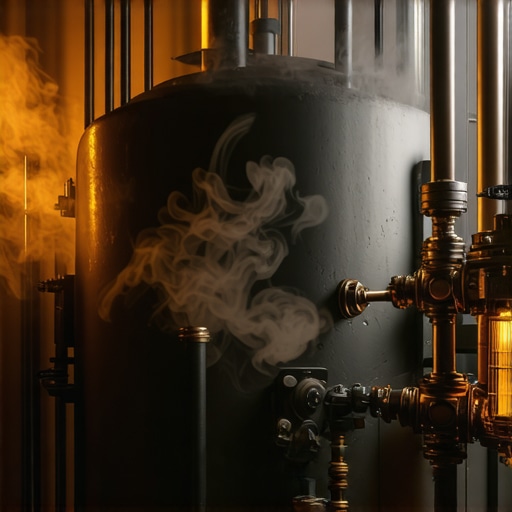
The Sound of a Silent Mechanical Room: The Million-Dollar Silence
Walk into a hotel mechanical room in the dead of January in Chicago, Minneapolis, or Boston, and you should hear a steady, deep rumble—the mechanical heartbeat of the building. But when you hear absolute silence, accompanied only by the dripping of a cold condensate pipe, you know a hotel manager is about to lose their job. I followed a slick ‘Sales Tech’ into a boutique hotel in downtown Chicago last winter. He had already quoted the panicked manager $42,000 to replace an entire cast-iron section boiler assembly, claiming the heat exchanger was permanently ‘thermal-shocked.’ I stepped in with my combustion analyzer, checked the flame-rectification sensor and the clogged draft inducer port, spent twenty minutes clearing soot from the pilot assembly, and saved that property from a massive, unnecessary capital expense. It was a classic case of diagnosing a symptom rather than understanding the physics of combustion.
In northern, cold-climate commercial applications, boilers are the lifeblood of guest comfort. When hotel managers treat complex hydronic systems like residential furnaces, skipping fundamental combustion analysis and ignoring key ventilation parameters, they make a devastating financial error. Proper commercial maintenance is not just about wiping down the jacket of a boiler and checking a checklist; it requires deep thermodynamic analysis to prevent catastrophic failures like cracked heat exchangers and flame rollout.
The Northern Climate Context: Why Cold Air is the Enemy of Hydronic Systems
In the frigid northern zones, the enemy of boiler efficiency and safety is the sheer volume of cold, dense outdoor air that must be tempered to maintain Indoor Air Quality (IAQ). When commercial properties ignore proper ventilation strategies, they create negative pressure zones that pull cold air backwards through flue vents, causing downdrafts and dangerous combustion failures. Utilizing modern heat pump solutions can offset some load, but the core heating power remains hydronic. To balance the massive negative pressure created by exhaust fans in laundry rooms and guest bathrooms, managers must deploy high-efficiency energy recovery ventilators (ERVs). Without these systems, the draft of the boiler is compromised, leading to poor flame patterns and rapid soot buildup.
“The atmospheric burner relies entirely on the pressure differential created by the temperature of the flue gas versus the outdoor ambient air. When building pressure is negative, combustion dynamics collapse.” – ASHRAE Fundamentals Handbook
When negative pressure occurs, the flame can rollout—physically licking out of the combustion chamber toward the burner controls. This cooks the wiring harness, fries the flame sensors, and can eventually crack the heat exchanger sections. This is why holistic choosing the best heating service experts who understand ventilation, rather than just sales technicians, is critical for commercial property preservation.
Blueprint: The Forensic Diagnosis of a Failing Commercial Hydronic Loop
To understand why boiler maintenance fails so frequently, we must look at the hydronic loop as a biological system. The boiler is the heart; the piping is the vascular system; and the water is the blood. Here is how the anatomy of failure plays out when basic preventive measures are ignored.
1. The Water Quality Trap
Unlike a residential system, a commercial boiler loop circulating thousands of gallons of water is prone to scale buildup. If a hotel has a small leak in a distant fan coil unit, the system constantly feeds raw, oxygen-rich domestic water into the loop. This introduces calcium and magnesium. When this water hits the hot surfaces of the heat exchanger, these minerals precipitate out, forming a rock-hard barrier of scale. This scale acts as an insulator, preventing heat from transferring to the water. The burner continues to fire at maximum capacity, but the heat cannot escape the metal. The result? The heat exchanger overheats, experiences thermal stress, and cracks. The sound of water hitting a hot burner chamber is a sickening, metallic hiss that every veteran technician dreads.
2. The Nightmare of Poor Air Distribution and IAQ
In addition to the central hydronic plant, hotels often struggle with localized draft issues. Many properties attempt to heat accessory zones like parking structures, loading docks, or storage areas using unvented systems. Installing proper garage heater installation setups or localized infared heater installation systems can keep water pipes from freezing in loading zones, relieving the main boiler from excessive low-temperature return water cycles. Furthermore, combining variable speed furnace services for common areas with robust IAQ improvement services ensures that dust and moisture do not migrate back into the mechanical rooms, keeping burner assemblies clean and clear of airborne debris.
3. The Hidden Loss: Duct and Pipe Insulation Failures
Many commercial buildings leak up to 30% of their thermal energy before it ever reaches a guest room. This occurs through unsealed plenums and uninsulated piping runs. Integrating high-performance HVAC duct sealing prevents conditioned air loss in dual-duct systems, while installing proper attic insulation for heating protects secondary piping runs from radiant heat loss in unconditioned attic spaces. When the return water temperature drops too low because of uninsulated pipes, it causes the boiler flue gases to condense inside non-condensing boiler chambers. This condensate is highly acidic and will literally eat through cast iron and copper over time.
The Math: Repairing vs. Replacing Commercial Plants
When a boiler fails, hotel managers are often pressured into complete system replacements. But a true technician knows the math. If a commercial copper-tube boiler has a failed burner manifold or a bad gas valve, the repair cost might run between $1,500 and $3,500. A complete commercial plant replacement can easily exceed $80,000 when you factor in rigging, cranes, and structural engineering permits. Understanding how to implement top hvac repair strategies can add a decade of reliable service to an existing plant. If the structural integrity of the heat exchanger is sound, replacing individual controls, updating water treatment chemicals, and installing draft regulators is almost always the smarter, high-ROI move.
“Scale buildup of just 1/16th of an inch can increase fuel consumption by up to 15%, while dramatically accelerating thermal fatigue of the heat exchanger walls.” – ACCA Manual QH
Before allowing a sales tech to convince you to abandon a robust hydronic plant, ensure a certified combustion analysis is performed. A simple adjustment to the gas pressure, cleaning the venturi tubes, or repairing a secondary solar thermal heating integration loop can restore peak operating efficiency without replacing the primary heat source.
How to Avoid the Commercial Pitfalls
To keep your commercial systems running optimally and protect your property from catastrophic mid-winter failures, follow these essential operating rules:
- Never tolerate continuous auto-fill: If your system is constantly drawing fresh water, you have a leak. Find it, seal it, and stop scale from ruining your heat exchanger.
- Perform annual combustion analysis: Check oxygen, carbon monoxide, and stack temperatures to ensure clean combustion and prevent soot buildup.
- Seal and insulate: Ensure your ducts are tight and hot water piping is fully insulated to prevent corrosive condensation in the flue.
- Maintain balanced building pressure: Keep ERVs and makeup air units clean to prevent dangerous flue gas downdrafts.
Commercial heating systems are governed by strict physical laws. Respect the thermodynamics, ignore the sales pitches, and focus on the fundamentals of airflow, draft, and water quality to keep your mechanical rooms roaring and your guests warm. If you suspect your system is suffering from combustion or airflow issues, do not wait for the freeze—reach out to our seasoned technicians at our contact page to schedule a deep-dive mechanical audit.