The Sound of a Wet Winter: Why Your ‘Efficient’ Heater is a Structural Time Bomb
I remember my old mentor, a man who smelled like burnt oil and structural integrity, used to scream at me during my first winter in the field: ‘You can’t heat what you’ve ruined with moisture, and you can’t breathe what you refuse to vent!’ He was standing in a basement where the header joists were so soft you could stick a screwdriver through them like butter. The culprit? A pair of ‘100% efficient’ ventless gas heaters the homeowner had installed to save a few bucks. They saved on the gas bill, sure, but they were looking at a $50,000 bill for mold remediation and structural repair. In this industry, we see the ‘Blue Flame’ marketing every year, promising a cheap way to bypass a proper two-stage furnace installation. But as a guy who’s spent 30 years diagnosing the disasters these units leave behind, I’m here to tell you that the math doesn’t add up when you factor in the physics of combustion.
“The most expensive equipment in the world cannot overcome a bad duct system, and a system with no ducts at all—like a ventless heater—often creates more problems than it solves regarding indoor air quality.” – Industry Axiom
Let’s talk about the Thermodynamic Zooming of a ventless unit. When you burn natural gas or propane, you aren’t just getting heat. You are initiating a chemical reaction: CH4 + 2O2 = CO2 + 2H2O. That ‘2H2O’ part? That’s water vapor. A lot of it. For every 100,000 BTUs of gas burned, you’re dumping about a gallon of water directly into your living room air. In a cold climate like Chicago or the Northeast, that moisture doesn’t stay in the air. It hits the cold surface of your windows, your wall studs, and your insulation. It turns into condensation, which turns into rot. While a steam humidifier is a great tool for comfort when managed by a professional, the uncontrolled humidity from a ventless heater is an invitation for black mold. If you’re trying to avoid the dry skin of winter, do it the right way with system performance testing and a managed humidity solution, not a localized moisture bomb.
The Forensic Diagnosis: Anatomy of a Ventless Failure
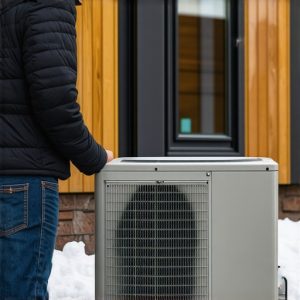
When I walk into a house heated by these units, I don’t even need my tools to know what’s wrong. I smell it first—that heavy, slightly sweet, yet metallic odor of unvented combustion byproducts. The ‘Sales Techs’ will tell you these are safe because of the Oxygen Depletion Sensor (ODS). Sure, the ODS stops you from dying of asphyxiation immediately, but it doesn’t do a damn thing about the long-term exposure to Nitrogen Dioxide or the microscopic carbon soot that starts to coat your ‘Sparky’s’ WiFi thermostat integration. We call this ‘ghosting,’ where soot particles stick to walls and electronics due to static charges. If you value your lungs and your tech, you’d be looking into cold climate heat pumps instead. These modern marvels can pull heat from -15°F air without ever needing to burn a drop of gas inside your breathing zone.
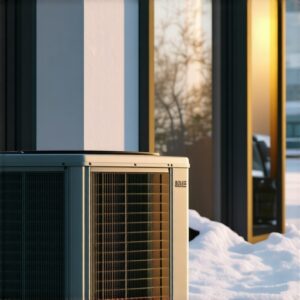
Speaking of those heat pumps, if you’re worried about the ‘juice’ (electricity) bill, look at SEER2 compliant upgrades. The industry shifted to SEER2 and HSPF2 standards to ensure that even in the dead of winter, a heat pump is outperforming the old resistive heaters. If you integrate solar thermal heating into your system, you can offset your heating load during the day and rely on the heat pump at night. It’s a cleaner, safer, and more sustainable path than a wall-mounted gas hazard. When I do a thermostat installation for a client moving away from ventless, I’m often installing an occupancy sensor installation as well. Why heat the whole house like a swamp when you can use smart thermostat setup to target the rooms you’re actually using? It’s about precision, not just raw, dirty BTUs.
“Ventilation is the intentional introduction of outside air into a space to control air contaminant levels, humidity, and temperature.” – ASHRAE Standard 62.1
The real ‘cost’ of a ventless heater isn’t the $300 unit or the gas line; it’s the lack of control. You have no system performance testing to ensure the heat is distributed. You have ‘hot spots’ near the unit and ‘ice boxes’ in the back bedrooms. A real two-stage furnace installation uses a blower motor to move air through the house, filtered through a high-MERV filter to keep your family breathing easy. When we seal those ducts with ‘Pookie’ (mastic), we’re ensuring every bit of that clean, dry heat goes where it’s supposed to. If you’re struggling with high bills, don’t buy a wall heater; check out top HVAC repair strategies or look into heat pump solutions for 2025. Proper maintenance and preventative heating maintenance will always be cheaper than replacing rotted floor joists and dealing with a respiratory infection. Don’t let a ‘Tin Knocker’ or a smooth-talking salesman convince you that bypassing the chimney is a smart move. Physics doesn’t care about your budget; it only cares about the dew point and the oxygen mix. Stay safe, stay dry, and vent your fire.